When fall rolls into Texas, we don’t get the same crisp, leaf-covered transition other states enjoy—but we do feel a shift. Mornings cool down, evenings become comfortable, and the sun keeps shining strong during the day. It’s subtle, but it’s enough to nudge homeowners into thinking about small seasonal chores—cleaning gutters, planting winter grass, tuning up HVAC units. One task often left off that list? A fall roof inspection.
It’s more important than most people realize. Texas weather is unique—long stretches of heat, sudden cold snaps, and the occasional storm system passing through. Those extremes can quietly wear down a roof over time. Fall is the perfect window to get ahead of it, and a quick roof check can save you from paying for major repairs down the road.
Key takeaways
- Fall is the ideal time for a roof inspection due to cooler temperatures and stable weather
- Early detection of roof damage prevents expensive emergency repairs in winter and spring
- Small issues like missing shingles or lifted flashing can lead to major leaks later
- Texas roofs experience harsh sun, shifting temperatures, and storm exposure—seasonal checks matter
- A fall inspection extends roof life and protects overall home value
Why Fall Makes the Perfect Season for Roof Inspections in Texas
Texas summers can be brutal. Day after day of intense sunlight, UV exposure, and triple-digit temperatures can dry out shingles, loosen sealants, and weaken flashing. By the time fall arrives, your roof has already endured months of heat damage.
Then comes the seasonal temperature swing. Cooler nights and warm days make roofing materials expand and contract. That movement reveals issues that weren’t easy to spot in midsummer.
Inspecting your roof in fall takes advantage of:
- Comfortable working temperatures for roofers
- Better visibility with consistent daylight
- Fewer storms compared to spring
- Early prep before winter rain and cold fronts arrive
It’s the one season where everything lines up in your favor.
Sun, Storms, and Shifting Temps: How Texas Weather Impacts Your Roof
Roofs in Central Texas work harder than most people realize. There’s almost no rest from heat, wind, and moisture fluctuations.
Common effects of Texas climate on roofs include:
- Shingle blistering from prolonged heat
- Dry, brittle shingles that crack under pressure
- UV exposure weakening adhesives
- Asphalt granule loss from strong summer sun
- Flashing damage caused by rapid temperature changes
- Small openings where rain can sneak in during fall and winter
These issues might seem minor, but once water finds a tiny gap, it doesn’t stay small for long.
What a Fall Roof Inspection Actually Covers
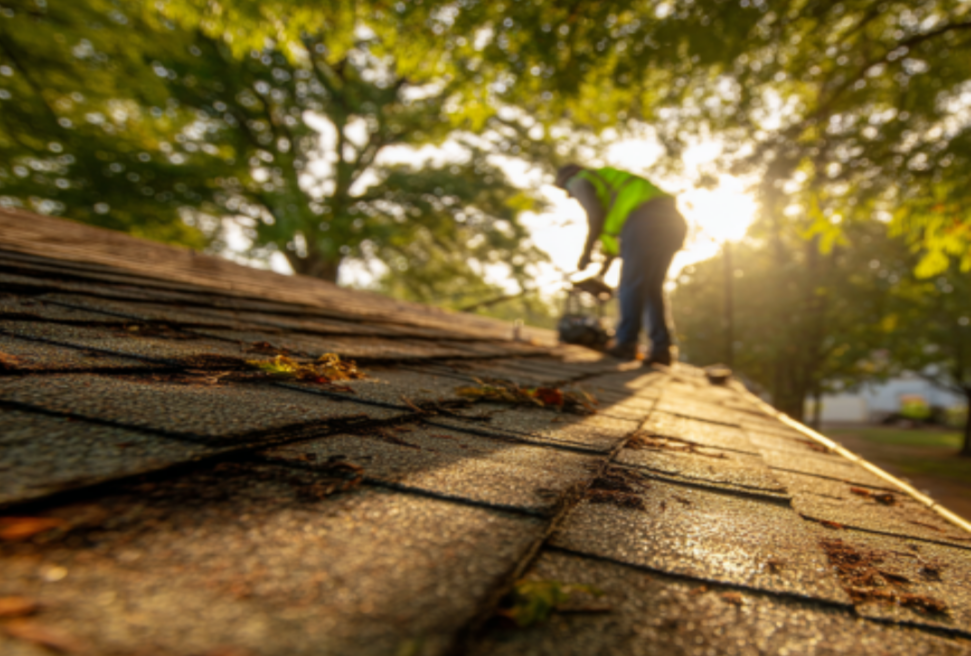
Homeowners often imagine a roof inspection as a quick glance from the ground, but a proper fall check is far more detailed. Professionals look for structural concerns, weather-related aging, and early signs of leaks.
Here’s what a typical inspection includes:
- Structural overview of sagging, soft spots, or uneven sections
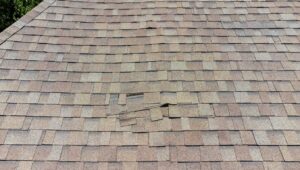
- Close-up review of shingles for cracks, curling, or granule loss
- Flashing checks around chimneys, walls, valleys, and skylights
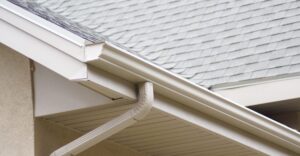
- Gutter inspection to ensure proper water flow
- Sealant checks on ridge caps and vents
- Attic moisture evaluation
- Ventilation checks to prevent winter humidity issues
Fall inspections don’t just catch problems—they help predict how your roof will handle upcoming winter conditions.
How a Simple Fall Check Can Save You Money
Roofing issues rarely stay contained. A missing shingle today becomes a leak within weeks. A lifted flashing seam turns into rotten decking by spring. The earlier you find problems, the less they cost to fix.
Fall inspections can help you avoid:
- Emergency winter leak repairs
- Interior water damage
- Mold growth in the attic
- Higher heating expenses due to poor insulation
- Full roof replacements caused by neglected repairs
Roof repairs in Texas are easiest and cheapest when handled early.
Common Issues Found During Fall Roof Inspections
Fall is a revealing season for roofs, especially after a long, hot Texas summer. Even roofs that look fine from the driveway may have hidden damage.
Here are the problems roofers often find in the fall:
- Loose or cracked shingles
- Missing asphalt granules
- Lifted flashing around roof openings
- Sealant breakdown from UV exposure
- Warped or clogged gutters
- Soft spots from trapped moisture
- Signs of previous storm damage
- Poor ventilation causing attic heat buildup
Catching these early keeps repair costs low and protects your home through the colder months.
Fall Roof Maintenance Checklist
If you’re wondering what tasks to tackle before winter rolls around, here’s a simple list to get you started:
- Clear leaves and debris from gutters
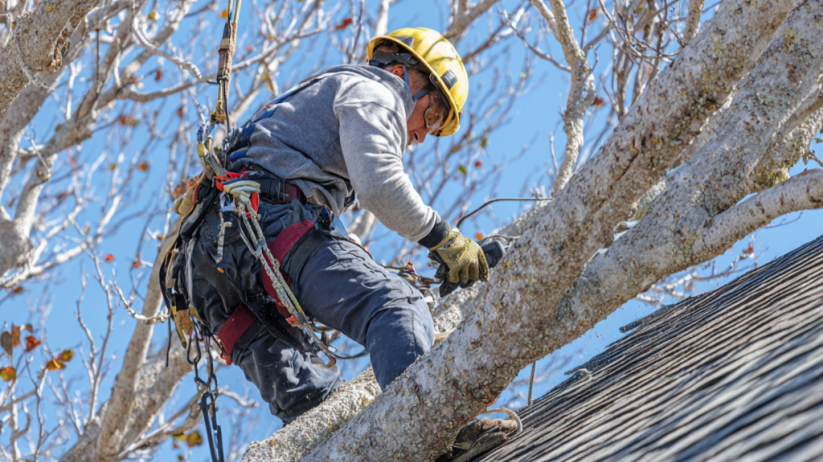
- Trim tree branches touching or hovering over the roof
- Check your attic for musty smells or damp areas
- Look for granules in gutters or downspouts
- Watch for sagging or dark spots on ceilings (possible leaks)
- Schedule a professional inspection before temperatures drop further
Small steps now prevent big headaches later.
The Cost of Waiting: Why Delayed Roof Care Hits Your Wallet Hard
Texas storms don’t give much warning. When a sudden cold front or heavy rain hits, any existing roof damage becomes a funnel for moisture. Emergency repairs in winter or spring always cost more than preventative care in fall.
Homeowners who skip fall inspections often face:
- Higher repair bills
- Insurance claim delays
- Roof replacements earlier than expected
- Energy inefficiency during winter
In the long run, fall inspections aren’t just smart—they’re financially strategic.
What Texas Homeowners Are Asking This Season
How often should I get my roof inspected in Texas?
At least once a year, ideally in fall. Texas weather is unpredictable, and heat alone causes noticeable wear.
Is fall really better than spring for roof inspections?
Yes. Spring in Texas brings heavy storms, which are much harder on compromised roofs. A fall inspection means your roof is ready long before storm season arrives.
Can my roof survive Texas heat without regular inspections?
It might survive—but it won’t thrive. UV exposure, heat expansion, and wind damage make annual inspections essential.
Are small roof problems expensive to fix?
Not usually. Most fall-identified issues have simple, low-cost solutions when caught early.
Will a fall inspection help improve energy efficiency?
Absolutely. Proper ventilation and airtight shingles prevent heat loss on cold nights and stabilize indoor temperatures.
Your Roof, Your Home, Your Fall Game Plan
Fall may not feel dramatic in Texas, but it’s still a turning point. Cooler nights and warm days give your roof a breather from months of intense heat. It’s the perfect moment to assess how your home held up and what needs a little care before the next seasonal shift.
A fall roof inspection is a small investment with a big payoff. You save money, extend your roof’s lifespan, and avoid the surprise of mid-winter repairs. More importantly, you protect the comfort of your home—the place where life happens, season after season.
When You’re Ready to Shield Your Home, We’re Ready to Help
If you want peace of mind before winter and spring weather return, reach out to LMP Roofing and Construction in Central Texas. Our team specializes in thorough fall inspections, honest assessments, and repairs that stand up to local weather. We’re here to make sure your roof is ready for whatever Texas skies bring next.
Stay ahead of the season. Protect your home. And let us help you keep your roof strong all year long.