In San Antonio, TX, late winter and early spring can be deceptively calm. The temperatures start to rise, the live oaks are shedding, and then, almost overnight, spring storm season rolls in with heavy rain, hail, and strong winds. By the time those storms hit, many homeowners are already dealing with hidden issues they didn’t know were there.
At LMP Roofing and Construction, we often see the same pattern this time of year: minor wear that went unnoticed during the cooler months suddenly turns into leaks, lifted shingles, and interior damage once spring storms arrive. The good news? Most major roofing problems start small. If you recognize the early signs of roof damage, you can address them before they become costly repairs.
Let’s walk through what to look for and how to protect your home before storm season ramps up.
Why Early Roof Damage Matters in San Antonio
Roofs in South Texas take a beating year-round. Between intense UV exposure, sudden temperature swings, occasional hail, and high winds, roofing materials naturally expand, contract, and wear down over time.
Even minor vulnerabilities, a loose shingle or a small crack in flashing, can quickly become a major issue once heavy spring rains begin. Water intrusion spreads fast. What starts as a tiny opening can lead to decking damage, insulation saturation, mold growth, and interior ceiling stains.
Knowing a few simple roof inspection tips can help you stay ahead of the problem.
1. Look for Shingle Damage From the Ground
You don’t need to climb onto your roof to perform a safe DIY roof check. In fact, we don’t recommend getting on the roof yourself. Instead, step back and visually inspect it from your driveway or yard.
Watch for:
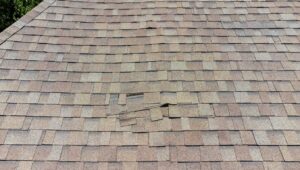
- Curling or buckling shingles
- Missing shingles
- Dark patches or bare spots
- Shingles that appear misaligned
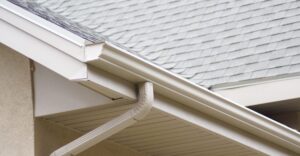
- Excessive granules in gutters or around downspouts
Asphalt shingles rely on their granule layer for protection in the San Antonio area. When you start seeing granules washing off, it’s often one of the earliest signs of roof damage.
2. Check Flashing and Roof Penetrations
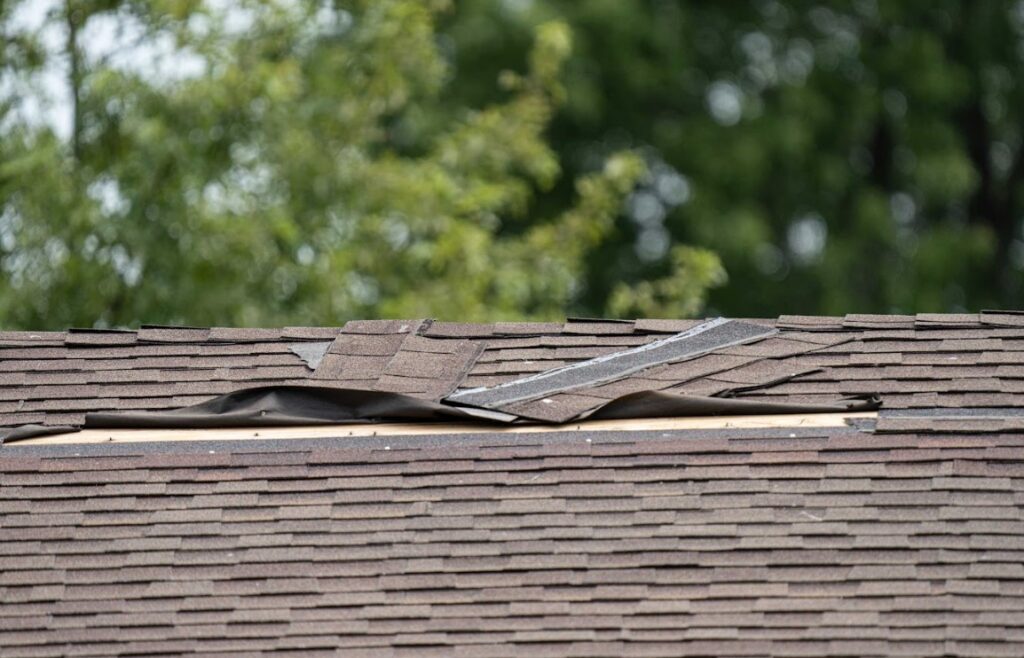
Areas around chimneys, vents, skylights, and valleys are especially vulnerable. Flashing is designed to seal these transitions, but over time, it can loosen or crack.
From the ground, look for:
- Bent or lifted metal pieces
- Rusted flashing
- Visible gaps where roofing meets vertical surfaces
If flashing fails, water can seep underneath shingles long before you notice interior damage.
3. Inspect Your Attic for Early Roof Leak Detection
Some of the most important roof leak detection happens inside your home.
Head up to your attic during daylight hours and look for:
- Small beams of light coming through the roof
- Dark stains on wood decking
- Damp insulation
- A musty odor
Even if you don’t see active dripping, staining is a red flag. Catching a leak at this stage can prevent widespread structural damage later.
4. Pay Attention to Interior Warning Signs
Sometimes the first clue isn’t on the roof at all; it’s inside your living space.
Watch for:
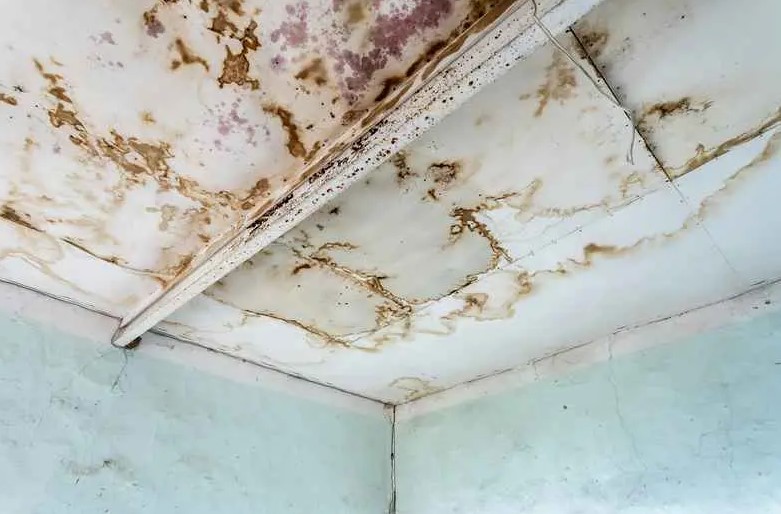
- Water stains on ceilings or walls
- Bubbling or peeling paint
- Sagging drywall
- Unexpected increases in humidity
Spring storms in San Antonio can dump a lot of rain in a short period of time. If your roof already has a weak point, that moisture will find its way in quickly.
5. Look After High Winds or Hail
Even a single windstorm can lift shingles just enough to compromise their seal. After any strong weather event, do a quick walk around your property.
Check for:
- Shingle pieces in the yard
- Dented gutters or metal components
- New debris buildup on the roof
Storm-related damage isn’t always dramatic. In many cases, it’s subtle but progressive.
Why a Professional Inspection Makes a Difference
While a careful DIY roof check is a great starting point, nothing replaces a trained eye.
At LMP Roofing and Construction, we provide free roof inspections for homeowners throughout San Antonio and surrounding communities. As a veteran- and family-owned company, we believe in doing things the right way, with honesty, clear communication, and respect for your home.
Our team doesn’t just look at the surface. We evaluate ventilation, underlayment condition, flashing integrity, and potential weak points that may not be obvious from the ground. Most importantly, we take the time to educate you on what we see. You’ll understand exactly what condition your roof is in and what your options are moving forward.
No pressure. No scare tactics. Just straightforward guidance so you can make the best decision for your family.
Don’t Wait Until the First Big Storm
Spring storms in San Antonio are coming; it’s just a matter of when. The earlier you address small issues, the less likely you are to face emergency repairs during peak storm season.
If you’ve noticed any of these signs of roof damage, or if it’s simply been a while since your last inspection, now is the time to act.
Contact LMP Roofing and Construction today to schedule your free roof inspection. Our experienced team is ready to help you prepare your home, protect your investment, and give you complete peace of mind before storm season arrives.